|
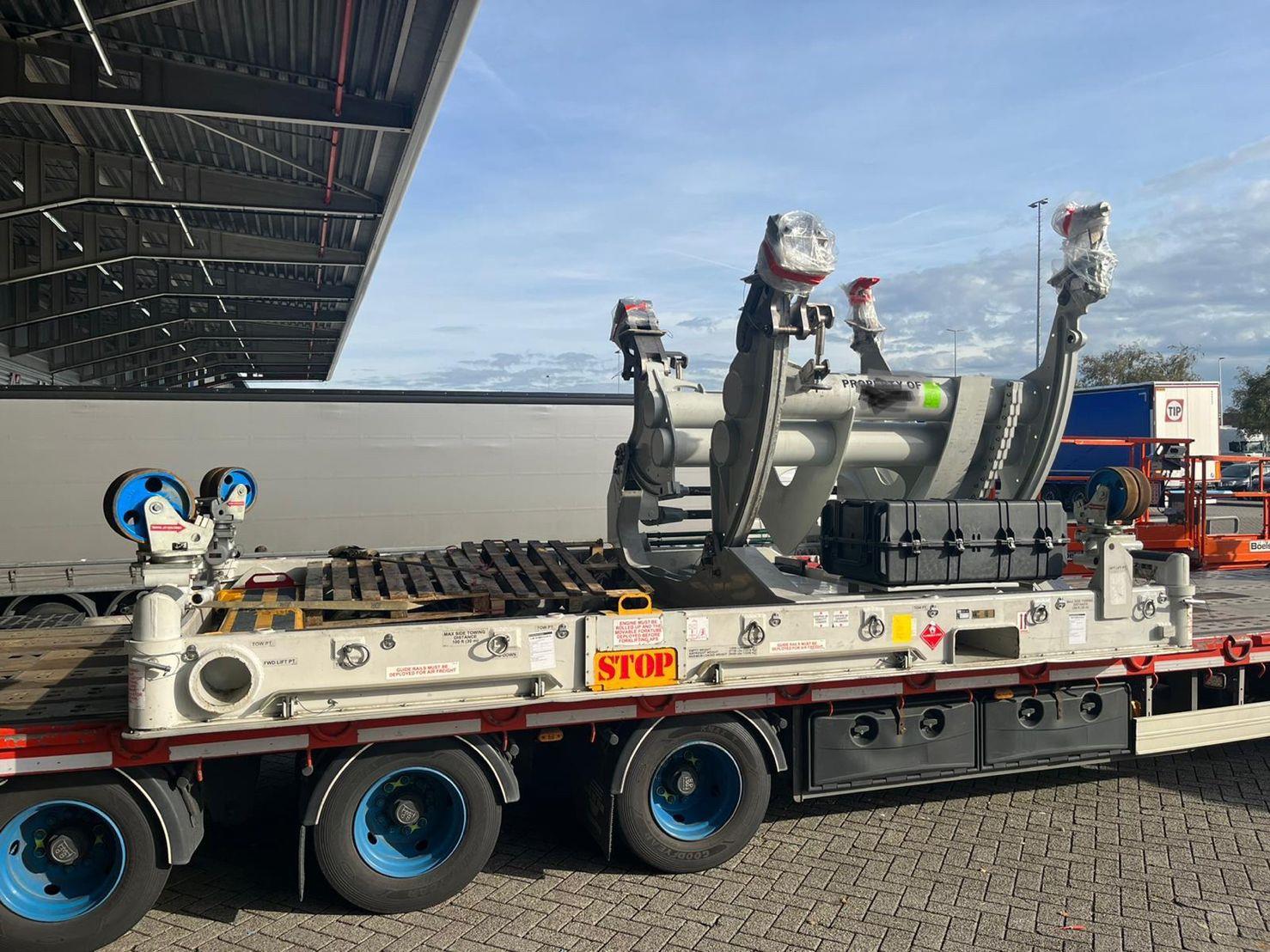
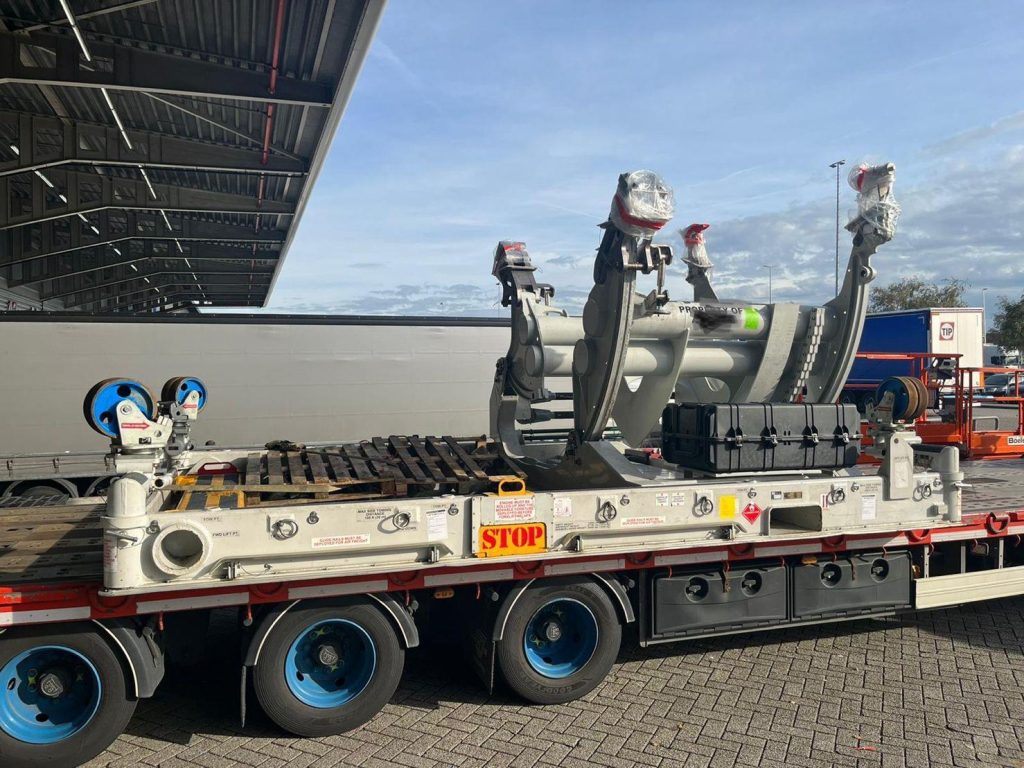
Research equipment often has no replacement sitting on a shelf. A custom-built sensor array, a one-off prototype, or an instrument imported specifically for a single study can take months to source again if it is damaged in transit, and grant timelines rarely leave room for that kind of setback. Universities and research institutes moving equipment between labs, campuses, or field sites need special cargo transport that treats each shipment of cargo as unique rather than running it through a generic freight process built for standardized pallets. Planning for Remote Field SitesField research adds a further complication, since equipment sometimes needs to reach locations without a proper loading dock or even a paved road nearby. Ronnick Logistics B.V. plans around these conditions from the outset, confirming vehicle access and unloading methods before a shipment leaves the lab so a research team is not left improvising on arrival at a remote site. Special cargo transport for this kind of work also means flexibility on timing, since fieldwork schedules shift with weather, permits, and study design in ways that a rigid delivery window cannot accommodate. For institutions based near Schiphol-Rijk coordinating shipments to field sites across Europe, that flexibility combined with careful handling keeps a research timeline intact even when the underlying project plan changes. Contact a Trusted Partner for Special TransportIf your institution regularly ships one-of-a-kind or custom-built equipment, take a close look at whether your current logistics setup can actually accommodate that kind of freight. Ask a potential partner how they plan for locations without standard loading access, since this comes up often in field research. Confirm how flexible their delivery windows are if a study’s timeline shifts at short notice. A provider experienced in special cargo transport for research institutions will treat these as normal questions rather than unusual requests. Getting this sorted before the next equipment move protects both the timeline and the instrument itself. |
| https://www.ronnick-logistics.com/home |